
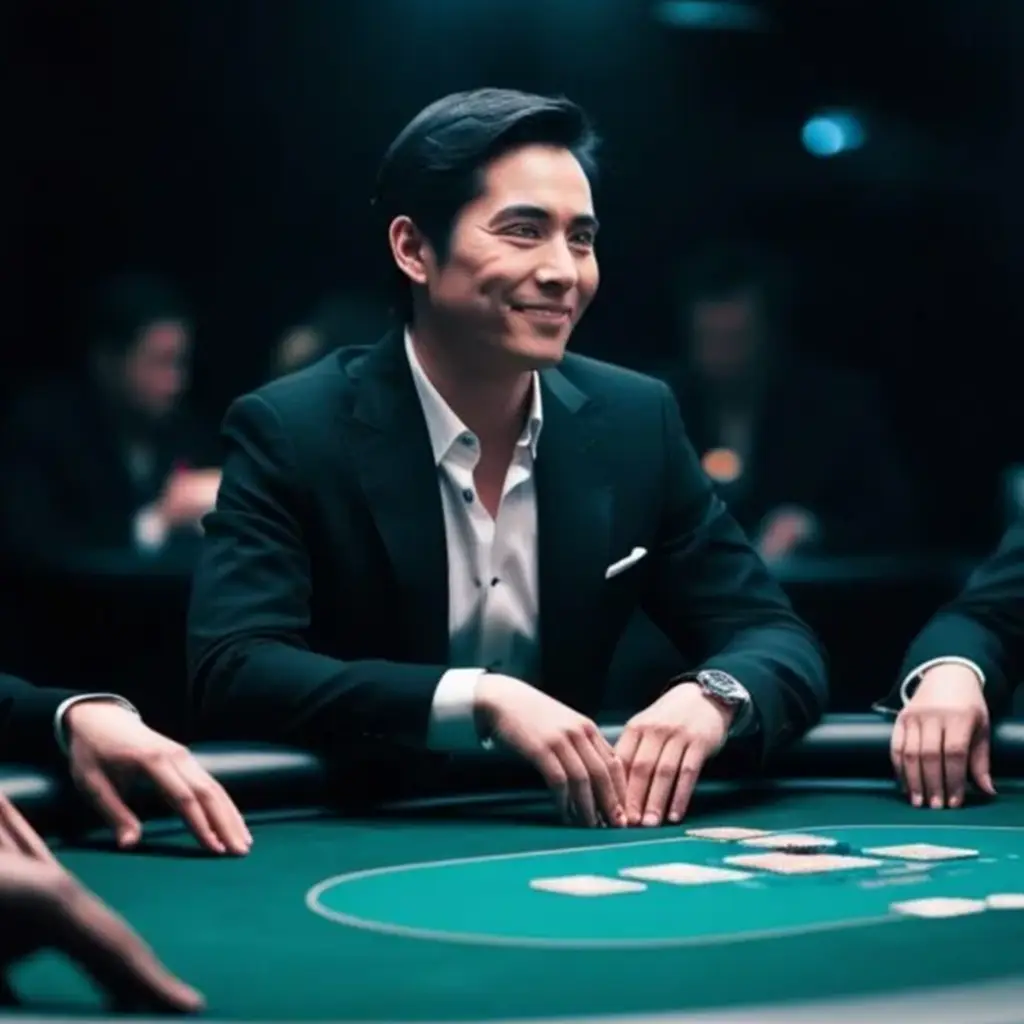
Bluffing is one of the most thrilling aspects of poker, where players use psychology, strategy, and a touch of daring to deceive their opponents. But did you know that the skills used to spot a bluff at the poker table can also be applied in real-life situations? Whether you’re negotiating a deal, navigating a social interaction, or reading subtle cues in a conversation, the ability to detect a bluff is a powerful tool. Let’s dive into how to spot a bluff in poker and how these same techniques can help you become a master at uncovering the truth in everyday life.
1. Understanding the Basics of a Bluff
Before you can spot a bluff, it’s essential to understand what bluffing is. In poker, bluffing involves presenting a false narrative—making others believe you have a stronger hand than you do. This is achieved through actions, behavior, and psychological manipulation.
In real life, bluffing follows the same principles. People may exaggerate, omit details, or project confidence to mask weaknesses or intentions. Recognizing the signs of a bluff is about picking up on inconsistencies and subtle tells.
2. Spotting a Bluff at the Poker Table
Here are some classic tells and strategies to identify when a player might be bluffing:
A. Physical Tells
Body language often reveals what words or actions try to hide. Look for:
B. Betting Patterns
The way a player bets can reveal their intentions:
C. Verbal Tells
Players who talk excessively or try to steer the conversation may be trying to distract you:
3. Applying Poker Bluff Detection in Real Life
The skills you develop for spotting bluffs in poker can serve you well in everyday interactions. Here’s how:
A. Detecting Dishonesty in Conversations
Just like at the poker table, physical tells can indicate when someone isn’t being truthful:
B. Spotting Bluffing in Negotiations
In business or personal negotiations, bluffing is common. Apply these techniques:
C. Reading Social Situations
Bluffing isn’t always malicious—it’s often used to navigate social dynamics. Use your skills to understand others better:
4. Building Your Bluff Detection Skills
A. Observe Closely
Whether in poker or real life, being observant is your strongest tool. Pay attention to:
B. Practice Emotional Detachment
Reacting emotionally can cloud your judgment. Stay calm and focused, analyzing behavior objectively.
C. Ask Questions
In real life, probing deeper into a topic can reveal inconsistencies:
5. When to Call the Bluff
Knowing when to call someone out—whether at the poker table or in real life—is just as important as spotting the bluff. Timing and context are key:
6. Mastering the Art of Bluffing Yourself
As you become skilled at spotting bluffs, you’ll also improve your ability to bluff effectively. Use these tips:
7. Why Bluff Detection is a Life Skill
The ability to detect bluffs goes beyond poker and negotiations. It helps you:
8. Final Thoughts: The Power of Perception
Mastering the art of spotting a bluff is a game-changer, both at the poker table and in life. It hones your observation skills, strengthens your emotional intelligence, and gives you the confidence to navigate tricky situations. Whether you’re facing a high-stakes poker hand, a business deal, or a personal challenge, the ability to uncover hidden truths can be your greatest advantage. So next time you’re at the table—or negotiating a raise—keep your eyes sharp, your mind calm, and your instincts tuned. The truth is often hidden in plain sight; you just have to know where to look.